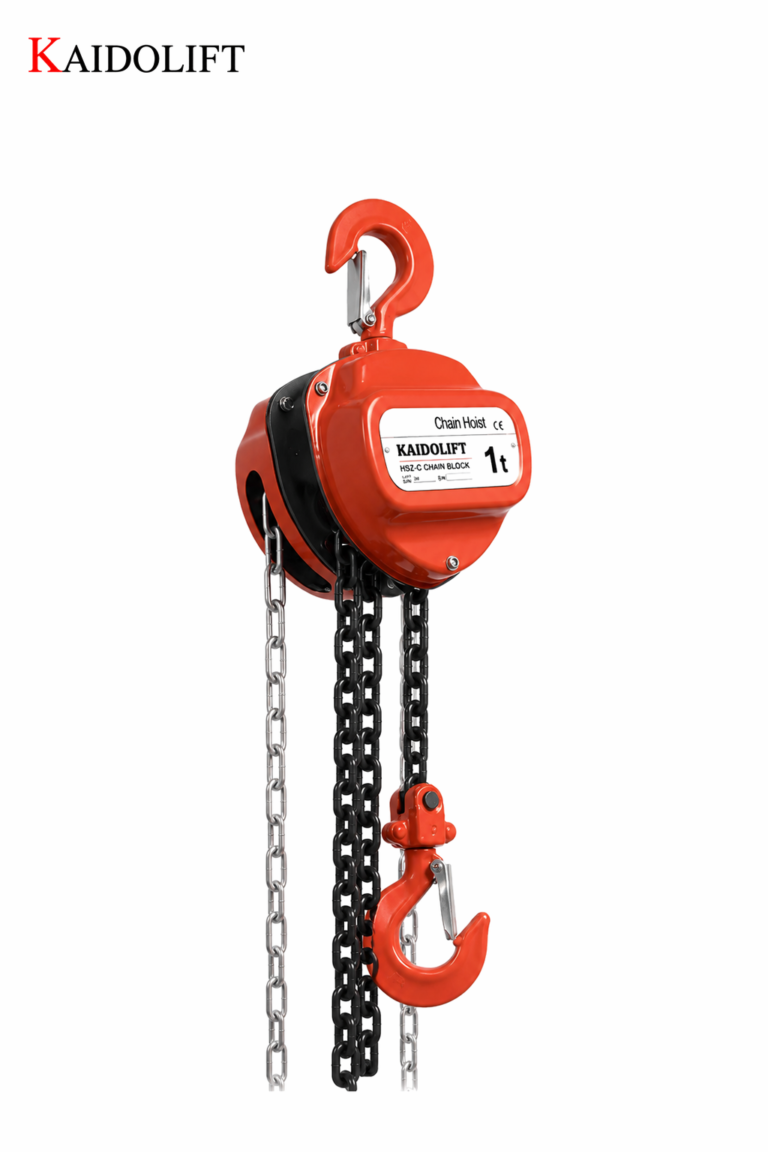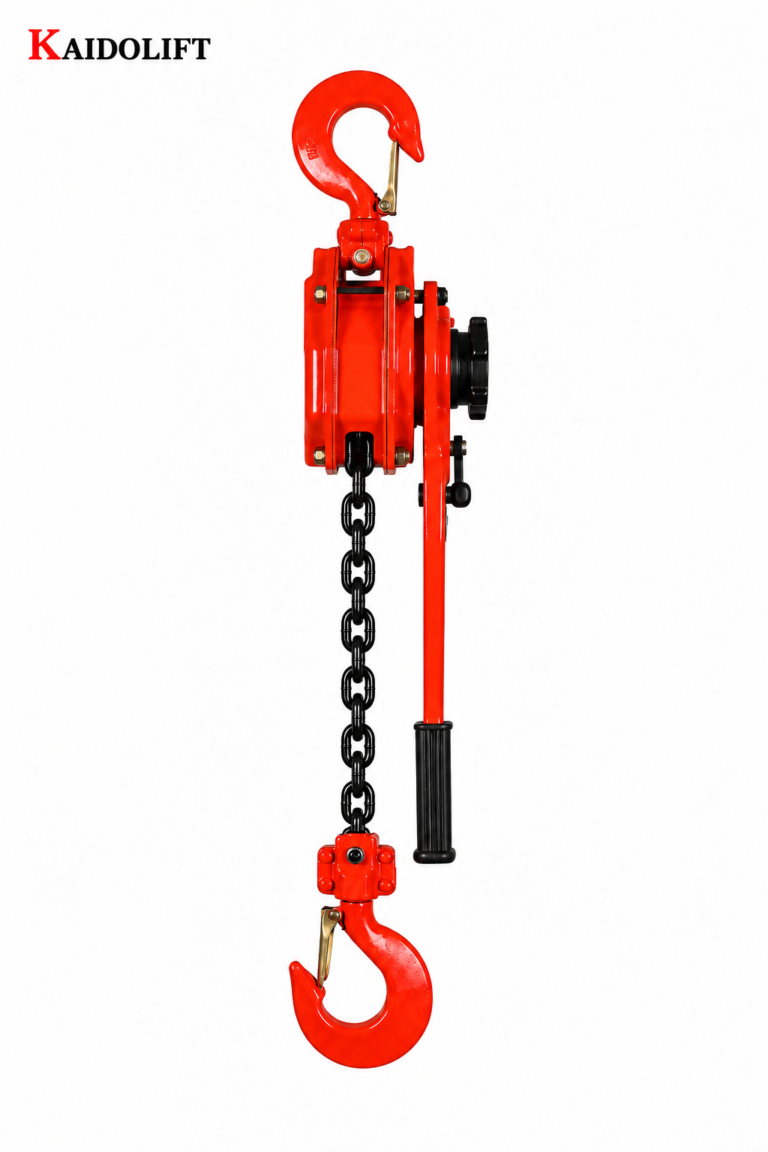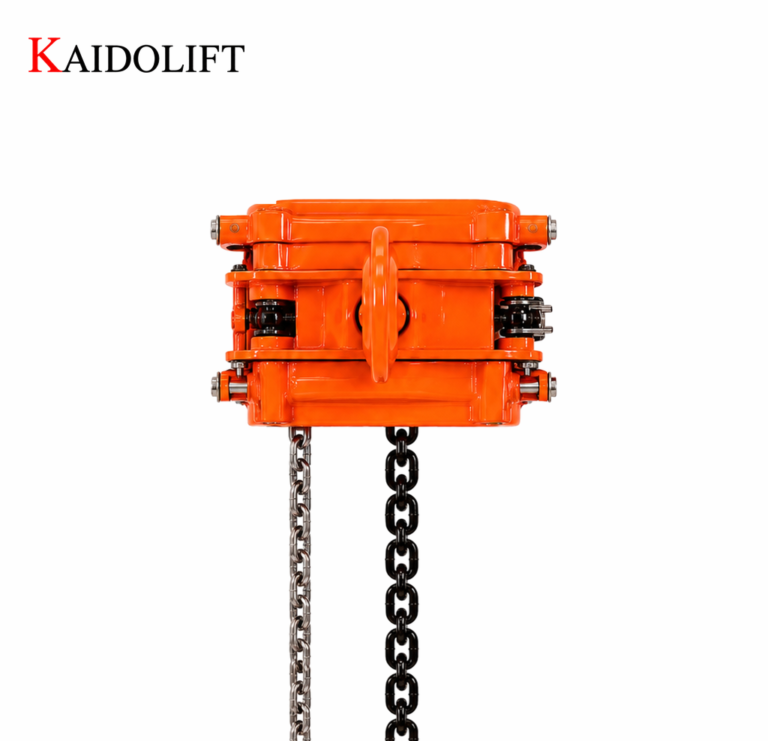
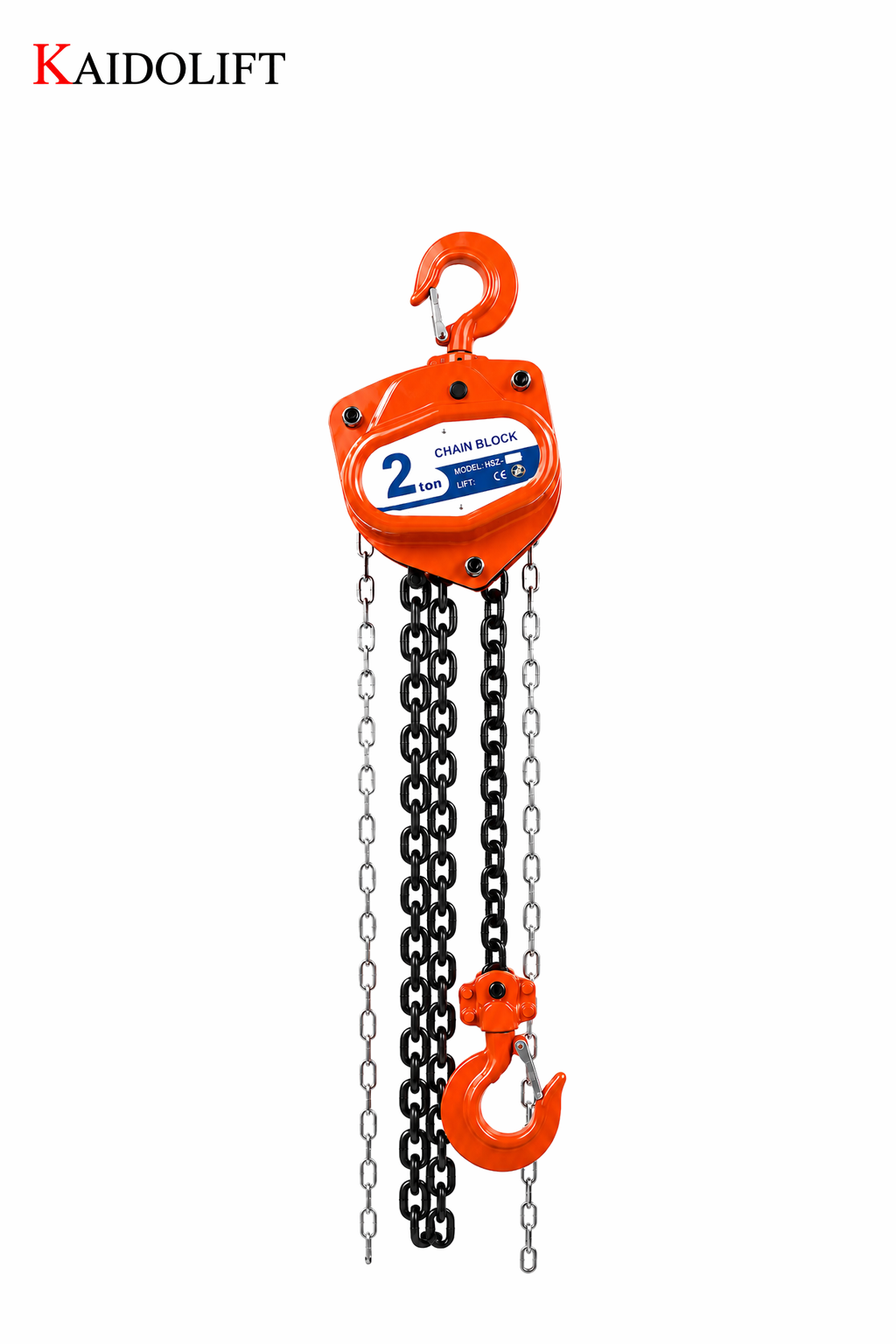
The HSZ-A chain block—also known as a manual chain hoist or hand chain hoist—is one of the most widely recognized and trusted manual lifting devices in industrial material handling. Known for its classic round housing design, blue finish, and reliable performance, the HSZ-A series has become a standard choice across countless industries worldwide.
But what makes the HSZ-A manual chain block so ubiquitous? The answer lies in its versatility. This portable, hand-operated lifting device is suitable for an exceptionally broad range of applications—from factory floors and construction sites to mines, docks, and agricultural operations. Wherever there is a need to lift, lower, or position loads, and especially where electrical power is unavailable or impractical, the HSZ-A chain block proves its value.
This guide explores the typical industrial applications for the HSZ-A chain block, examining how its design features and capabilities make it the preferred choice across diverse sectors, while also addressing key technical specifications, safety standards, and selection considerations.
1. HSZ-A Chain Block: Product Overview and Key Features
The HSZ-A series manual chain hoist is a portable lifting device easily operated by pulling a hand chain. Its design incorporates several features that enhance performance, durability, and safety:
Core Design Features
- Compact Design, Low Headroom: The HSZ-A features a compact structure that allows operation in spaces with limited vertical clearance.
- High-Precision Gears: Precision-machined spur gears ensure smooth transmission and high efficiency, reducing the effort required from the operator.
- Double Pawl Brake System: An automatic double pawl braking mechanism provides fail-safe load holding. The brake engages instantly when the operator stops pulling, preventing unintended load descent.
- High-Endurance Roller on Load Sprocket: Enhances durability and smooth chain movement.
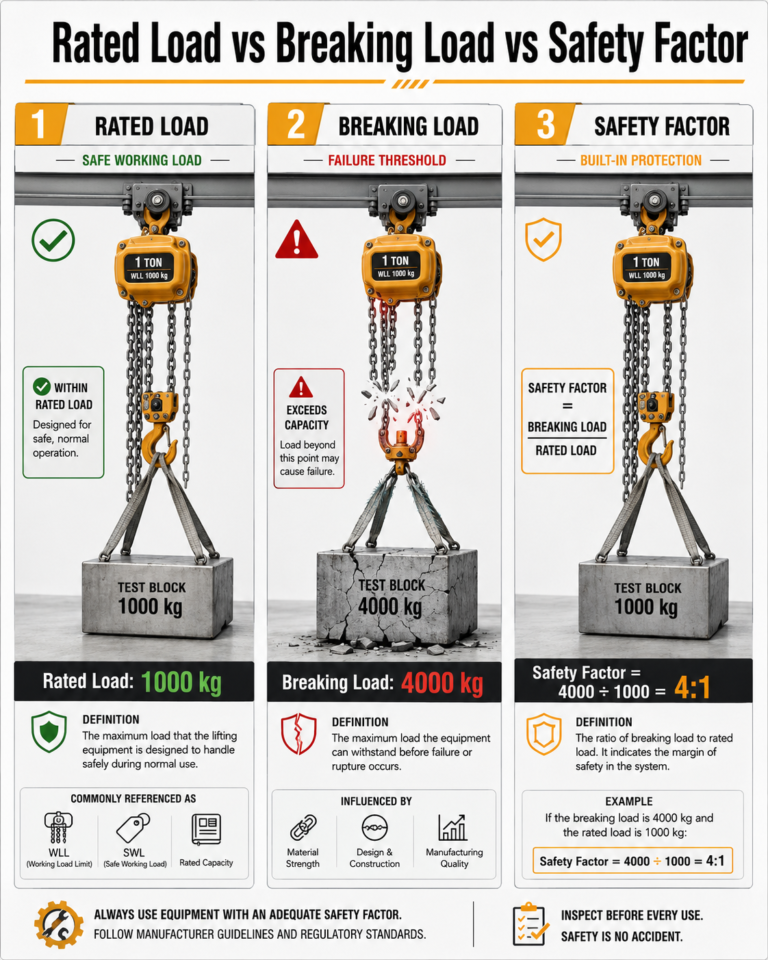
- G80 Alloy Steel Load Chain: High-strength grade 80 load chain provides excellent durability and a 3:1 safety factor.
- Drop-Forged Hooks: Upper and lower hooks are drop-forged and heat-treated for strength, with wide throats that bend slowly to warn of overloads.
- Overload Protection (Optional): Some models offer an optional overload limiter that protects the hoist mechanism from excessive loads.
Capacity Range
The HSZ-A series is available in capacities from 0.25 tons (250 kg) up to 50 tons, with some manufacturers offering models up to 100 tons. Common capacity ratings include 0.5T, 1T, 1.5T, 2T, 3T, 5T, 10T, 20T, 30T, and 50T.
Standards Compliance
HSZ-A chain blocks are engineered to meet international safety standards including:
- EN 13157 – Safety of manually controlled load lifting equipment
- ASME B30.16 – Underhung and Overhead Hand Chain Hoists
- CE Certified
- ISO 9001 – Quality management systems
🔧 MANDATORY PRACTICE: Always verify that the HSZ-A chain block you select is certified to the relevant standards for your region and application. For operations in Latin America, compliance with Brazil NR-11, Mexico NOM-151, and Chile NCh 2245 is essential.
2. Manufacturing and Factory Applications
In manufacturing facilities across Latin America—from automotive assembly plants to metal fabrication shops—the HSZ-A manual chain block is an indispensable tool for routine material handling and equipment maintenance.
Machine Installation and Positioning
Manufacturing plants frequently need to install, reposition, or maintain heavy machinery. The HSZ-A chain block provides a reliable means of lifting and positioning equipment such as:
- Presses and stamping machines
- CNC machining centers
- Conveyor systems and assembly line equipment
- Motors, pumps, and gearboxes
- Large jigs and fixtures
The ability to operate without electrical power is particularly valuable in plants where power outlets may not be available at the precise location where equipment needs to be positioned.
Die and Mold Handling
In injection molding, stamping, and forging operations, dies and molds can weigh several tons and require careful handling to avoid damage. The smooth, controlled lifting provided by a manual chain block allows precise positioning of these expensive tools.
Maintenance and Repair
When production equipment requires servicing, the HSZ-A chain block is often used to:
- Lift and support heavy components during disassembly
- Position replacement parts for installation
- Remove and replace motors, pumps, and other heavy subassemblies
Production Line Support
On assembly lines, manual chain blocks are used for:
- Feeding heavy raw materials into production processes
- Positioning subassemblies for further processing
- Lifting finished products for packaging or shipping
🔧 MANDATORY PRACTICE: When using HSZ-A chain blocks in manufacturing environments, ensure that operators are trained in proper rigging techniques and that the hoist’s rated capacity is never exceeded.
3. Construction and Infrastructure Applications
Construction sites are among the most common environments for the HSZ-A manual chain block. Its portability, independence from electrical power, and rugged construction make it ideal for the demanding conditions of building and infrastructure projects.
Building Construction
On building sites, HSZ-A chain blocks are used for:
- Lifting steel beams and structural components into position
- Hoisting building materials (bricks, blocks, pre-cast concrete elements) to upper floors
- Positioning formwork and shoring during concrete pours
- Installing HVAC equipment, ductwork, and piping systems
Bridge and Infrastructure Projects
For bridges, dams, and other large infrastructure projects, manual chain blocks provide reliable lifting in locations where electrical power may not yet be available:
- Positioning rebar cages and pre-stressing tendons
- Lifting and placing precast concrete segments
- Installing expansion joints and bearings
- Handling heavy construction equipment components
Outdoor and Remote Construction
The HSZ-A chain block is especially advantageous for open-air and non-powered operations. In remote construction sites—such as new highway developments, pipeline installations, or rural infrastructure projects—the absence of electrical power is not an obstacle.
Temporary Lifting Solutions
Construction sites often require temporary lifting points for short-duration tasks. The HSZ-A chain block can be quickly deployed with:
- Beam clamps for attachment to structural steel
- Trolleys for movement along I-beams
- A-frames and gantries for freestanding lifting points
4. Mining and Extraction Industry Applications
The mining industry presents some of the most challenging operating conditions for any equipment. Dust, dirt, heavy loads, and remote locations make the HSZ-A chain block a valuable tool for mining operations.
Maintenance and Repair in Underground and Open-Pit Mines
Mining equipment is subjected to extreme wear and requires regular maintenance. HSZ-A chain blocks are used to:
- Lift and position heavy components during equipment overhauls
- Remove and replace worn parts such as crusher liners, conveyor rollers, and screen decks
- Support heavy assemblies during bearing and shaft replacements
Conveyor System Maintenance
Conveyor systems are the backbone of material transport in mining operations. Manual chain blocks are used to:
- Lift and tension conveyor belts
- Position and replace heavy conveyor rollers and idlers
- Lift drive motors and gearboxes for servicing
Equipment Assembly and Installation
When new equipment is brought into a mine—whether it is a crusher, a mill, or a screening plant—HSZ-A chain blocks are often used for assembly and positioning, particularly in areas where electrical power is not yet available.
Hazardous Environment Suitability
Mining environments can present explosion hazards due to methane gas or coal dust. Manual chain hoists are inherently safer than electric hoists in these environments because they generate no electrical sparks. For applications requiring spark-resistant operation, HSZ-A chain blocks can be specified with non-sparking components.
⚠️ CRITICAL NOTICE: In hazardous mining environments, ensure that the HSZ-A chain block is certified for use in the specific classification of the work area. Standard hoists may not be suitable for explosive atmospheres without additional safety features.
5. Ports, Docks, and Maritime Applications
Ports and docks are high-activity environments where the handling of cargo, machinery, and equipment is a constant requirement. The HSZ-A chain block is widely used in these settings due to its portability, corrosion-resistant options, and independence from electrical power.
Shipyard and Boatyard Operations
In shipbuilding and repair facilities, HSZ-A chain blocks are used for:
- Lifting and positioning engine components during installation
- Handling propeller shafts and rudders
- Positioning steel plates and structural sections
- Lifting and supporting components during vessel maintenance and overhaul
Cargo Handling and Loading/Unloading
While large dockside cranes handle the heaviest containers, HSZ-A chain blocks are used for:
- Loading and unloading vehicles from ships and railcars
- Positioning break-bulk cargo in holds and on decks
- Lifting and placing heavy machinery and equipment during import/export operations
Warehouse and Storage Operations
Portside warehouses use HSZ-A chain blocks for:
- Lifting and positioning heavy inventory in storage racks
- Loading and unloading trucks at warehouse docks
- Handling heavy parts and components in maintenance shops
Corrosion-Resistant Options
For maritime environments where saltwater exposure is a concern, HSZ-A chain blocks are available with:
- Stainless steel or zinc-plated components
- Corrosion-resistant surface treatments
- Special coatings for enhanced protection
6. Agriculture and Farming Applications
The agricultural sector—particularly large-scale farming operations—benefits from the portability and reliability of the HSZ-A manual chain block.
Equipment Maintenance and Repair
Farming equipment—tractors, combines, harvesters, and irrigation systems—requires regular maintenance and occasional major repairs. Manual chain blocks are used in farm workshops to:
- Lift and support heavy components during engine and transmission repairs
- Remove and replace wheels, tires, and tracked undercarriages
- Position and install heavy implements and attachments
Grain Handling and Storage
In grain storage facilities, HSZ-A chain blocks are used for:
- Lifting and positioning augers and conveyors
- Handling grain bin components during installation and maintenance
- Positioning heavy equipment in storage and processing areas
Livestock Facility Maintenance
Large livestock operations use manual chain blocks for:
- Lifting and positioning feed bins and silos
- Handling heavy fencing and structural components
- Maintaining and repairing barn and facility equipment
7. Warehousing and Logistics Applications
Warehouses and distribution centers across Latin America rely on manual chain blocks for a variety of lifting tasks.
Racking and Storage Systems
When installing or modifying pallet racking and shelving systems, HSZ-A chain blocks are used to:
- Lift and position rack beams and uprights
- Handle heavy pallets and containers during system reconfiguration
- Position and install mezzanine flooring and support structures
Maintenance and Facility Management
Warehouse maintenance teams use manual chain blocks for:
- Lifting and replacing HVAC units and ventilation equipment
- Handling lighting fixtures and electrical equipment
- Positioning heavy maintenance equipment and supplies
Loading Dock Operations
While powered dock levelers handle routine loading, manual chain blocks are used for:
- Loading and unloading oversized or heavy items
- Positioning heavy pallets and containers in dock areas
- Handling equipment and materials during dock maintenance
8. Electric Power and Utilities Applications
The electric power sector—including power generation, transmission, and distribution—frequently operates in remote locations where electrical power may not be available for lifting equipment.
Power Plant Maintenance
In thermal, hydroelectric, and nuclear power plants, HSZ-A chain blocks are used for:
- Lifting and positioning turbine components during maintenance
- Handling generator rotors and stators
- Positioning pumps, valves, and piping systems
Transmission and Distribution
For utility line construction and maintenance:
- Lifting and positioning transformers and switchgear
- Handling heavy cable reels and conductor bundles
- Positioning pole-line hardware and equipment
Remote Site Operations
Many power sector operations take place in remote locations—new transmission line corridors, substation installations, or wind farm construction sites—where access to electrical power is limited or non-existent. The manual chain block is an essential tool in these environments.
9. Technical Specifications and Selection Considerations
Capacity and Lifting Height
HSZ-A chain blocks are available in capacities from 0.25T to 50T with standard lifting heights from 2.5m to 5m, and custom heights available up to 30m.
| Capacity (T) | Standard Lift (m) | Test Load (KN) | Effort Required (N) | Load Chain Strands |
|---|---|---|---|---|
| 0.5 | 2.5-3 | 6.1-6.3 | 200-231 | 1 |
| 1 | 2.5-3 | 12.3-12.5 | 309-320 | 1 |
| 1.5 | 2.5-3 | 18.8-19.6 | 320-390 | 1 |
| 2 | 2.5-3 | 24.5-25 | 320-365 | 1 |
| 3 | 3 | 36.8-39.2 | 385-390 | 2 |
| 5 | 3 | 61.1-62.5 | 414-435 | 2 |
| 10 | 3-5 | 122.5-125 | 435-450 | 4 |
Headroom Clearance
The minimum headroom (distance between suspension point and bottom of hoist housing) varies by capacity, ranging from approximately 230mm for 0.25T models to over 900mm for 15T models.
Environmental Considerations
- Corrosive environments: Consider stainless steel or zinc-plated options
- Outdoor use: Standard models with powder-coated finishes resist rust
- Hazardous areas: May require spark-resistant components
10. Safety Standards and Regional Compliance
International Standards
| Standard | Key Requirements |
|---|---|
| EN 13157 | Safety of manually controlled load lifting equipment |
| ASME B30.16 | Underhung and Overhead Hand Chain Hoists |
| OSHA 29 CFR 1910.179 | Overhead and gantry cranes |
Regional Standards: Latin America
| Region | Standard | Key Requirements |
|---|---|---|
| Brazil | NR-11 (Annex 1) | Equipment must provide safety guarantees; operators must receive documented training |
| Mexico | NOM-151-SSA1 | Safety requirements for lifting equipment |
| Chile | NCh 2245 | Technical specifications for industrial lifting equipment |
⚠️ CRITICAL NOTICE: Under NR-11, all material handling equipment must be kept in perfect working condition. Employers are responsible for ensuring operators are trained and qualified, and that equipment is regularly inspected and maintained.
Conclusion
The HSZ-A manual chain block has earned its place as one of the most versatile and reliable lifting devices in industrial material handling. Its simple design, robust construction, and independence from electrical power make it suitable for an extraordinary range of applications—from the factory floor to the construction site, from the mine to the dock, from the farm to the warehouse.
Key applications covered in this guide:
| Industry | Primary Applications |
|---|---|
| Manufacturing | Machine installation, die handling, maintenance, production line support |
| Construction | Steel erection, material hoisting, bridge and infrastructure projects |
| Mining | Equipment maintenance, conveyor servicing, hazardous environment lifting |
| Ports and Maritime | Shipyard operations, cargo handling, warehouse storage |
| Agriculture | Equipment repair, grain handling, livestock facility maintenance |
| Warehousing | Racking installation, facility maintenance, dock operations |
| Power/Utilities | Power plant maintenance, transmission line work, remote site operations |
When selecting an HSZ-A chain block for your operation, consider load capacity, lifting height, environmental conditions, and compliance with regional safety standards such as Brazil NR-11, Mexico NOM-151, and Chile NCh 2245. With proper selection, regular inspection, and trained operators, the HSZ-A manual chain block will provide years of reliable service across virtually any industrial setting.
📋 Need Help Selecting the Right HSZ-A Chain Block for Your Application?
Our material handling team provides free, no-obligation hoist selection assistance for industrial operations across Latin America. We can help you:
- Match the right HSZ-A chain block to your load capacity, lifting height, and worksite conditions
- Verify EN 13157 and ASME B30.16 compliance
- Source corrosion-resistant or hazardous-area models
- Provide inspection checklists and operator training guidance
[Request Hoist Selection Assistance Now] or download our LatAm-Compliant Manual Chain Hoist Selection Guide (PDF) with capacity tables and maintenance schedules.